



Tariff Mitigation Strategies Start With Customer Intelligence

Emily Sullivan is an experienced marketing professional with over a decade of expertise in content creation, communications, and digital strategy. She thrives on translating complex, technical subject matter into content that is approachable, insightful, and genuinely useful to marketing professionals navigating a fast-evolving landscape.

Ben Dutter is Chief Strategy Officer at Power Digital and founder of fusepoint, a data and strategy consultancy powered by deep marketing intelligence. He’s spent nearly 20 years driving growth for brands like Amazon, Crocs, and Liquid Death, with a focus on ethical, effective, data-driven marketing.


Tariffs are rattling markets, trade policy is shifting quickly, and consumer confidence is wobbling. The only real certainty is this: brands that don’t deeply understand their customers will struggle to manage rising tariff costs, volatile demand, and rapid changes in the global trade environment.
As tariff increases, supply chain disruptions, and shifting trade tariffs raise input costs, companies are being forced to make sharper, faster decisions about pricing, product mix, and where to invest their limited budgets. Effective tariff mitigation strategies depend on knowing which customers will absorb price changes, where margin truly comes from, and which channels drive profitable demand. Without that insight, every response to tariff impact becomes guesswork.
The Real Cost of Not Knowing Your Customer
Tariffs don’t only increase tariff exposure—they cascade across pricing strategy, margin structure, and value perception. Whether you’re dealing with new tariffs, retaliatory tariffs, changes in customs duty, or shifts in tariff classification, the brands that succeed will be those that can quickly answer:
- Which customer cohorts will churn first under higher tariffs—and which will tolerate price increases?
- Which products sustain the strongest margins after tariff costs rise?
- Which channels generate profitable demand, not just impressive dashboard metrics?
Without clarity on customer behavior, every decision around tariff mitigation, tariff engineering, or restructuring your global supply chain becomes risky.
From Demographics to Decisions: What “Knowing Your Customer” Actually Means
Most legacy segmentation—age, location, gender—offers almost no help when facing tariff changes, trade barriers, or international supply chain volatility. To build effective mitigation strategies, brands need deeper intelligence grounded in value, behavior, and profitability.
Cohort-Level Profitability
Identify the customer segments driving the most revenue and margin after accounting for tariff costs and operational pressure. Many brands use LRFM (Length, Recency, Frequency, Monetary) or partner with specialists to pinpoint which cohorts justify investment and which introduce risk.
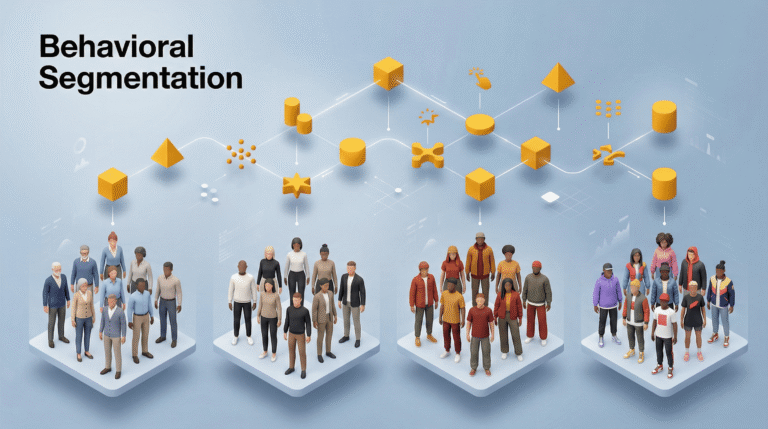
Behavioral and Attitudinal Segmentation
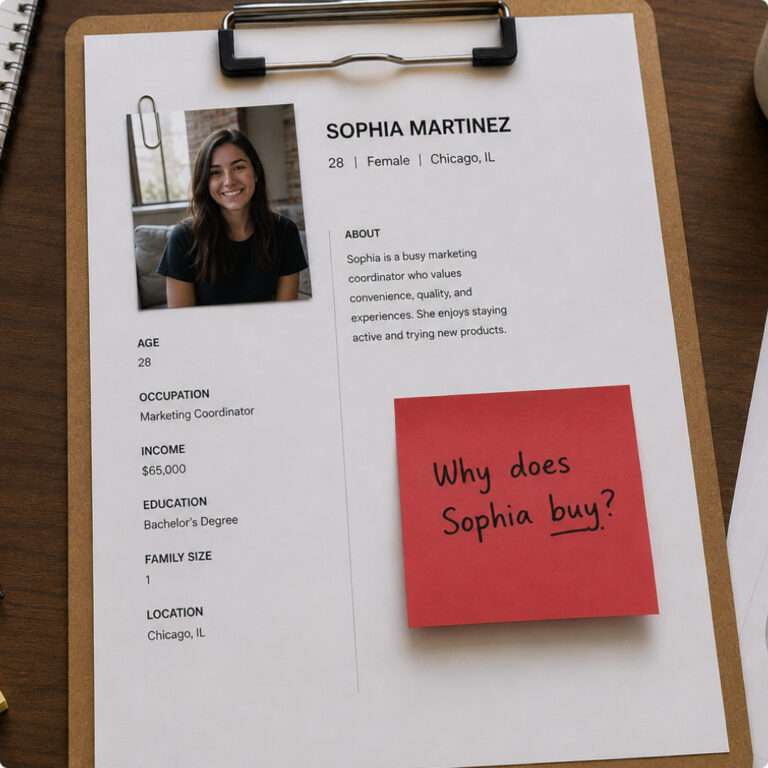
Use surveys and zero-party data to understand why customers buy, what they value during market uncertainty, and how they might respond to tariff disruption, price increases, or product changes tied to global supply chain constraints.
Channel-Level Profitability Under Pressure
Measure channel performance using incremental impact, not last-click metrics. When tariff volatility shrinks margins, marketers need to know which channels truly drive profitable demand—even if they don’t have the highest click-through rate.
How to Build Tariff-Ready Customer Intelligence Now
1. Start With Zero-Party Data
Deploy surveys across audiences to gather insight you can’t get from platform analytics or trade data. Zero-party data reveals willingness to pay, category priorities, and sentiment toward value during higher tariffs.
2. Move Beyond Platform Metrics
Dashboards don’t measure the real impact of tariffs on demand. Incorporate third-party incrementality tests: geo-holdouts, market experiments, or on/off tests to understand how rising costs affect conversion rates, product preference, and customer loyalty.
3. Rethink Segmentation Around Value
Group customers by value contribution and elasticity, not generic demographics. This enables smarter decisions around pricing, bundling, inventory management, and which segments deserve protection during times of elevated tariff risk.
4. Build a Strategic Feedback Loop
Customer intelligence must inform more than marketing. As trade regulations, international trade policies, and tariff rate structures evolve, insights should shape pricing, product roadmaps, media planning, and supply chain decisions.
Why Acting Early Matters
Waiting until tariff obligations hit the P&L is a risky approach. Market volatility moves quickly, and delays create both operational and financial exposure. Brands that invest early in understanding their customers make better decisions across the entire value chain—pricing, product, media, and supply chain—while competitors scramble to react.
Turn Tariff Risk Into Strategic Advantage
Effective tariff mitigation strategies require more than navigating customs authorities, analyzing foreign trade zone opportunities, or evaluating trade agreements. Those matter, but your biggest advantage comes from understanding how customers behave under pressure and where real value sits.
At fusepoint, we help mid-market brands align customer insight with smarter investment decisions. Our customer research services combine survey-backed research, LRFM frameworks, and channel-level profitability analysis to help companies navigate tariff exposure with confidence—not guesswork.
If you’re preparing for potential trade policy shifts or want to run a customer sentiment analysis to guide your response, we can help your team make faster, more profitable decisions.
Our Editorial Standards
Reviewed for Accuracy
Every piece is fact-checked for precision.
Up-to-Date Research
We reflect the latest trends and insights.
Credible References
Backed by trusted industry sources.
Actionable & Insight-Driven
Strategic takeaways for real results.
Emily Sullivan is an experienced marketing professional with over a decade of expertise in content creation, communications, and digital strategy. She thrives on translating complex, technical subject matter into content that is approachable, insightful, and genuinely useful to marketing professionals navigating a fast-evolving landscape.